Table of Contents
- Why Look for Elk the Label Alternatives?
- What Makes Ethical Australian Clothing Brands Stand Out?
- Price-Point Comparison: Elk the Label Alternatives
- Material Composition and Supply Chain Transparency
- Sizing Inclusivity and Fit Guide for Local Labels
- Building a Capsule Wardrobe with Australian Essentials
- Return and Shipping Policies to Check Before You Buy
- Frequently Asked Questions
Last Updated: September 12, 2026
Why Look for Elk the Label Alternatives?
If you're searching for elk the label alternative brands, you're likely after the same things Elk the Label does well, considered design, natural fibres, and a commitment to ethical manufacturing, but you want more choice. This guide from The Spotted Quoll covers how to filter those alternatives by price, material, sizing, and shipping so you can build a wardrobe that lasts.
Elk the Label built its reputation on slow fashion principles: small-batch production, natural fibres, and a timeless aesthetic. But a single label can't suit every body, budget, or climate. Independent Australian designers now offer comparable quality with different fits, price points, and supply chain transparency.
The best elk the label alternative brands share three traits: ethical sourcing, quality craftsmanship, and garments designed for longevity. Below, we break down how to compare them without getting lost in greenwash.
What Makes Ethical Australian Clothing Brands Stand Out?
Ethical Australian clothing brands stand out through verifiable supply chain transparency, natural fibre composition, and small-batch production rather than seasonal volume. The difference between genuine ethical manufacturing and marketing claims usually comes down to documentation, not adjectives.
Most top-ranking guides stop at a checklist. The more useful approach is a filter: score each candidate label against the criteria below, and only shortlist those that clear the mandatory rows.
| Criterion | What to Look For | Why It Matters | Mandatory? |
|---|---|---|---|
| Certification | B Corp, Fair Trade, or Global Organic Textile Standard (GOTS) | Third-party audit, not self-declared | Yes |
| Factory disclosure | Named studio, city, or manufacturer | Vague "ethically sourced" language is unverifiable | Yes |
| Fibre composition | Percentage breakdown on the care label | Blends hide synthetic content | Yes |
| Production scale | Small-batch or made-to-order runs | Reduces deadstock and overproduction | Preferred |
| Repair or take-back | Mending service or garment recycling | Extends garment life beyond first owner | Preferred |
| Local manufacturing | Made onshore vs. offshore | Shorter supply chain, easier to audit | Preferred |
A common mistake is treating a "sustainable" tag as proof. In practice, the labels worth your money publish where their garments are made and who makes them. The B Corp certification requirements set a benchmark worth checking against any label's claims, and the GOTS certified supply chain covers fibre-level verification.
Once you've filtered on ethics, the next differentiators are price, material, and fit, which the sections below break down.
Price-Point Comparison: Elk the Label Alternatives
Price is where most shoppers stall. Elk the Label sits in the mid-to-premium range, and independent labels vary widely around it. The table below compares typical price bands and what drives them, so you can judge value rather than sticker price alone.
| Price Band | Typical Pieces | What Drives the Cost | Best For |
|---|---|---|---|
| Entry ($75-$120) | Beanies, gloves, scarves | Merino accessories, small-batch knitwear | Testing a new label |
| Mid ($120-$200) | Jumpers, knitwear | Natural fibre, local manufacturing | Building a capsule |
| Premium ($200+) | Coats, tailored pieces | Complex construction, limited runs | Investment staples |
The Spotted Quoll sits in the entry-to-mid bands, with accessories from $75 and knitwear at $199. That positioning makes it a low-risk way to test whether an independent label's fit and finish suit you before committing to larger pieces.
Material Composition and Supply Chain Transparency
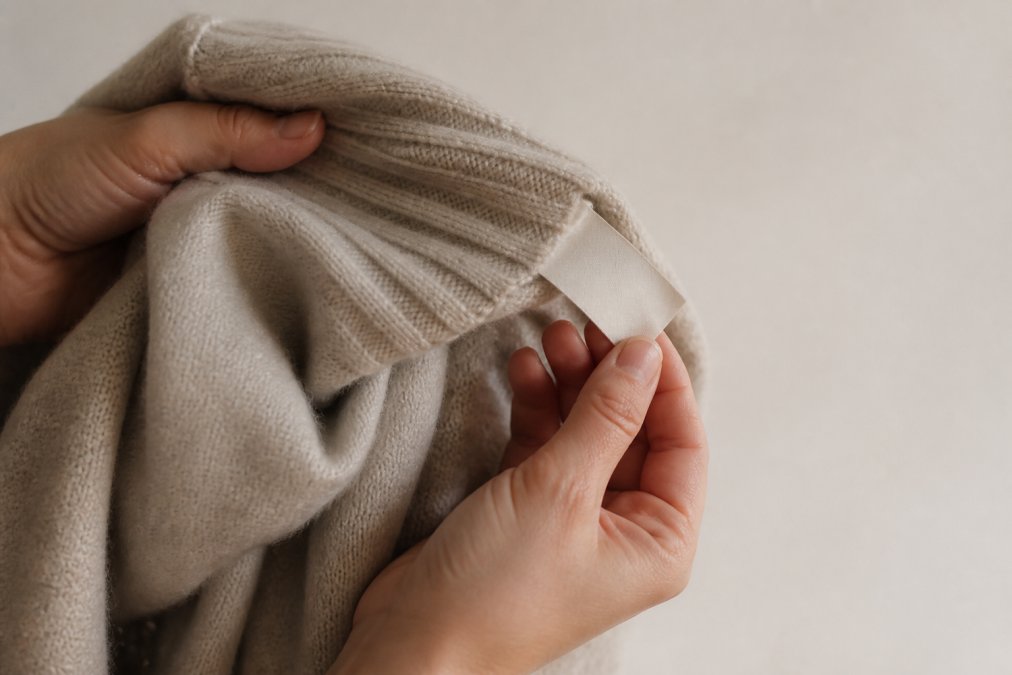
Material composition tells you how a garment will age, how it feels against skin, and how it should be washed. Natural fibres like Australian merino wool regulate temperature, resist odour, and hold shape better than synthetic blends, which is why merino features so heavily in the best ethical Australian clothing brands (woolmark.com). But "natural" is not a single category, and the differences between fibres matter more than the label on the swing tag.
| Fibre | Warmth | Breathability | Durability | Care | Best For |
|---|---|---|---|---|---|
| Merino wool | High | High | High (pills initially) | Hand wash or wool cycle, dry flat | Knitwear, base layers |
| Organic cotton | Low-medium | High | Medium | Machine wash cold | T-shirts, shirts |
| Linen | Low | Very high | High (softens with wear) | Machine wash, tumble dry low | Summer layers |
| Recycled polyester | Medium | Low | High | Machine wash | Outerwear, linings |
| Viscose or bamboo | Low | Medium | Low (stretches) | Hand wash, dry flat | Draped tops |
Two practical rules follow from this table. First, a 100% merino jumper will outlast a 60/40 wool-acrylic blend, but it needs cooler washing and flat drying, so factor care time into cost-per-wear. Second, recycled synthetics are a legitimate choice for outerwear where durability matters more than breathability, but they are not a substitute for natural fibres next to skin.

Supply chain transparency is the harder test. Ask three questions:
- Where was the fibre grown?
- Where was the garment made?
- Who made it?
A label that answers all three is rare. A label that answers two is above average. A label that answers none is marketing.
The Spotted Quoll designs and makes its collections in Tasmania, with natural fibres and exclusive nature-inspired prints. That level of disclosure, naming the studio and the fibre, is what separates real transparency from a sustainability badge. When you compare alternatives, apply the same three questions and treat any gap in the answers as a reason to keep looking.
Sizing Inclusivity and Fit Guide for Local Labels
Sizing is where independent labels often fall short, and it's the question we hear most. Many local designers run limited size ranges, so checking measurements before you buy saves a return.
For knitwear, go by bust and hip measurements rather than a nominal size. The Spotted Quoll's Ingrid jumper, for example, runs from a size 10 bust of 91-93cm through to a size 16 bust of 106-108cm. Accessories like the Mabel beanie and Milo fingerless gloves are one size, so fit is rarely an issue there.

If you're between sizes on a jumper, size up: merino has some natural give but a relaxed fit layers better over shirts.
Building a Capsule Wardrobe with Australian Essentials
A capsule wardrobe built on capsule wardrobe essentials Australia shoppers actually wear should cover three needs: warmth, layering, and versatility. Independent labels make this easier because their pieces are designed to work across seasons, not just one trend cycle.
Start with these foundations:
- A merino jumper as your core layer
- A beanie and scarf for cold-weather coverage
- Fingerless gloves for practicality in transit
The Spotted Quoll's knitwear is built around this transeasonal approach, so a single jumper or scarf earns its place across autumn and winter rather than sitting in a drawer.

Return and Shipping Policies to Check Before You Buy
Return and shipping policies matter more with independent labels, because you can't try before you buy and sizing varies between makers. Before ordering, confirm three things: the return window, who pays return postage, and the shipping timeframe to your area.
Most Australian labels ship domestically within a few business days, but remote areas take longer. Check whether returns are accepted on sale items, since many small studios exclude them. If a garment doesn't hold up, a clear returns process is your protection, so read it before checkout, not after.
The challenge with ethical fashion isn't finding options, it's finding ones you can trust and that actually fit your life. The Spotted Quoll designs and makes timeless, sustainable women's fashion in Tasmania, using natural fibres and exclusive nature-inspired prints crafted for a versatile capsule wardrobe. With merino knitwear, one-size accessories, and small-batch production, it's a considered choice for anyone weighing up elk the label alternative brands. Explore the collection and build a wardrobe that's kind to you and the earth.
Frequently Asked Questions
What should I look for in ethical Australian clothing brands?
Look for transparency about where and how garments are made. Check for certifications like B Corp, which verifies social and environmental performance. Brands that disclose their supply chain, use natural fibres, and produce in small batches are more likely to be genuinely ethical. Also review return policies and sizing guides to ensure a good fit before buying.
How do I build a capsule wardrobe with Australian labels?
Start with versatile, transeasonal pieces in neutral colours. Choose natural fibres like merino wool for layering. Focus on quality craftsmanship and timeless designs that mix easily. A capsule wardrobe essentials Australia approach means investing in items you can wear across seasons, like a merino jumper or scarf, rather than fast-fashion trends.
Are Elk the Label alternatives as durable as the original?
Durability depends on materials and construction. Look for brands that use 100% natural fibres and provide care instructions. For example, hand washing cold and storing with natural moth repellent extends garment life. Many ethical labels offer similar quality, but always check the return policy in case an item does not hold up.
What is the price difference between Elk the Label and its alternatives?
Prices vary. Elk the Label pieces often sit in the mid-to-high range. Alternatives like Uimi offer merino accessories from $75 to $199. While upfront costs may seem higher than high street, cost-per-wear is lower when garments last for years. Compare materials and construction to judge value.