


Table of Contents
- Linen vs Cotton for Summer Dresses: The Quick Comparison
- Breathability, Moisture-Wicking and Drying Time Compared
- The Benefits of Linen Clothing in Warm Weather
- Texture, Softness and Wrinkle Resistance: What You'll Actually Feel
- Cost, Sustainability and Fabric Blends Explained
- How to Style Linen Clothing for Summer
- Your Linen Garment Care Guide (and Cotton Care Tips)
- Which Fabric Wins for Your Summer Wardrobe?
- Frequently Asked Questions
Last Updated: September 27, 2026
Linen vs Cotton for Summer Dresses: The Quick Comparison
The linen vs cotton decision comes down to one question: do you want a dress that keeps you cooler but wrinkles, or one that stays smoother but holds more moisture? Linen wins on breathability and drying speed. Cotton wins on softness and wrinkle resistance. This guide from The Spotted Quoll breaks down both fabrics across heat, humidity, feel, cost and care so you can choose the right dress for your summer wardrobe. Beyond these two staples, exploring the broader landscape of eco-friendly dress fabrics reveals additional sustainable options that balance thermal regulation with long-term garment durability.
Linen is a cellulose fibre woven from the flax plant, known for its looser weave and rapid moisture-wicking. Cotton is a cellulose fibre from the cotton plant, prized for its tighter weave and softness against the skin.
Here is the short version:
| Factor | Linen | Cotton |
|---|---|---|
| Breathability | Excellent | Good |
| Moisture-wicking | Fast | Moderate |
| Drying time | Quick | Slower |
| Softness | Crisp, softens with wear | Soft from the start |
| Wrinkle resistance | Low | Higher |
| Durability | Excellent (tensile strength) | Good |
| Cost | Higher | Lower |
Breathability, Moisture-Wicking and Drying Time Compared
Linen moves heat and sweat away from the body faster than cotton. Its looser weave lets air circulate, and its fibre structure absorbs and releases moisture quickly, which is why linen has a higher evaporation rate.
How Each Fabric Handles Heat and Humidity
In a tropical climate or a humid summer day, linen's thermal regulation keeps you noticeably cooler. Cotton absorbs sweat well but holds onto it longer, so a cotton dress can feel damp against the skin after a long afternoon.
Drying time tells the same story. Hang a linen dress after a wash and it dries quickly. Cotton takes longer, especially in double muslin or heavier weights.
The Benefits of Linen Clothing in Warm Weather
Linen is the stronger performer in heat because it combines breathability with quick-drying moisture-wicking. A mid-weight 190gsm organic linen, like the fabric used in our Cocoon Dress, holds its drape while still letting air through.

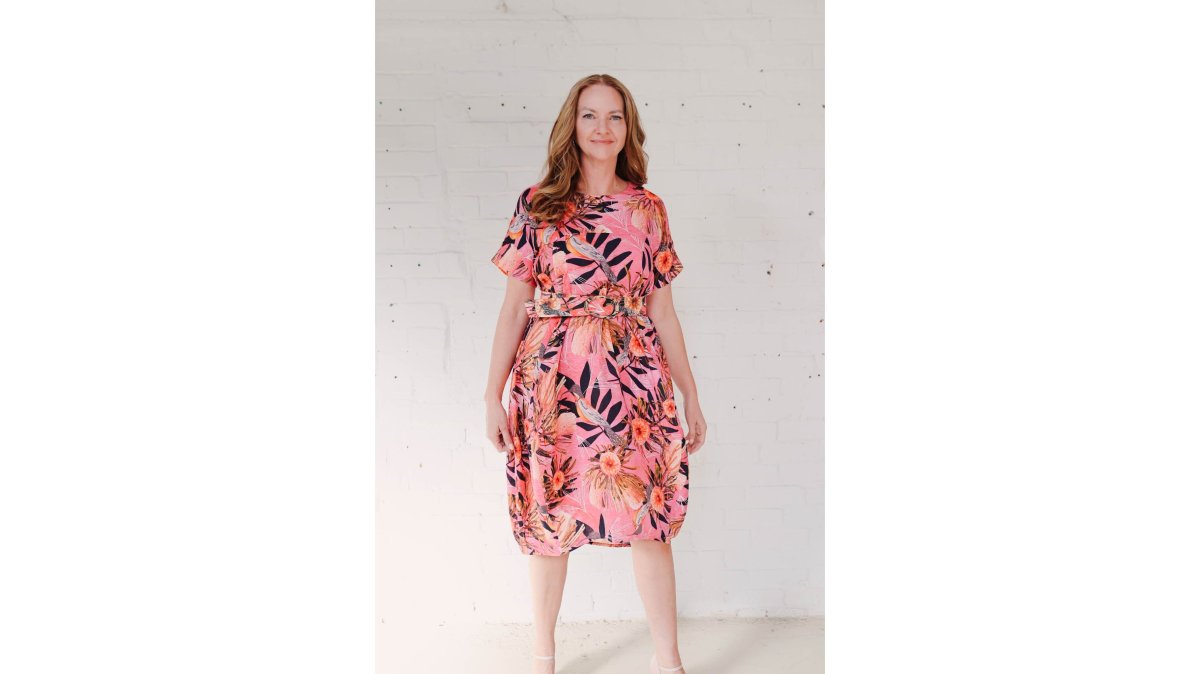
The benefits of linen clothing go beyond temperature. Linen is hypoallergenic, so it suits sensitive skin, and it is one of the more sustainable textiles because flax needs little water to grow.
Texture, Softness and Wrinkle Resistance: What You'll Actually Feel
Cotton feels softer against the skin from day one. Linen starts with a crisp texture and a bit of stiffness, then softens with laundering until the hand-feel is unmatched.
Wrinkle resistance is cotton's clear win. Linen creases, and that crease is part of its character rather than a flaw. If you want a polished, smooth look straight off the hanger, cotton is the easier choice.
Durability and How Each Fabric Ages
Linen outlasts cotton on tensile strength, especially when it is long-staple and mid-weight. It ages by softening rather than thinning. Cotton holds up well too, but lighter cotton can pill and lose shape faster.
Cost, Sustainability and Fabric Blends Explained
Cotton costs less at the checkout, largely because production labour and fibre processing are cheaper at scale. Linen carries a higher price because flax processing takes more work, retting, scutching and hackling are slower, more labour-intensive steps than cotton ginning. That processing gap, not the raw fibre itself, is most of the price difference you see on a tag.
Sustainability is more nuanced than "natural equals green".
Cocoon Dress Organic Pure Linen - Pink →
- Water use. Conventional cotton is a thirsty crop, and irrigated cotton in dry regions draws heavily on river systems. Flax is typically rain-fed in cooler climates and needs far less supplementary irrigation.
- Pesticides and chemicals. Conventional cotton is one of the more pesticide-intensive fibre crops globally. Flax grown for linen generally needs fewer inputs. Finishing, dyeing, softening, anti-crease treatments, can add significant chemical load to either fibre, which is why certification matters more than the fibre name alone.
- Certification to look for. On either fibre, third-party certification is the practical signal. Look for organic certification (for example Global Organic Textile Standard, GOTS) and, for linen specifically, European Flax certification, which verifies traceability and growing practices.
Fabric Blends: The Practical Middle Ground
Common blend ratios and what they do:
- 55% linen / 45% cotton. Retains most of linen's airflow and dry hand-feel, with cotton softening the crease. A good everyday summer dress blend.
- 30% linen / 70% cotton. Feels predominantly like cotton, softer, less crisp, more wrinkle-resistant, with a touch more breathability than pure cotton.
- Linen-cotton with a small elastane addition (often 2-5%). Adds stretch and recovery, which helps a dress hold shape, but slightly reduces breathability and can make the fabric less forgiving over time.
Blends are not a compromise so much as a design choice. If you want the crisp, cool feel of pure linen, buy pure linen. If you want an easy-care dress you can wear to work and wash without fuss, a cotton-linen blend is often the smarter buy.
How to Style Linen Clothing for Summer
Styling linen clothing is about working with the fabric's relaxed drape, not fighting it. Choose loose cuts that let air move, then cinch or layer to shape the silhouette.
- Wear a linen dress loose with white sneakers for weekends
- Cinch the waist with a belt for a garden wedding or lunch
- Add a light cotton layer for cooler evenings
- Pair earthy, nature-inspired prints with neutral sandals
- Roll sleeves and add flats for warm days
Packing Linen and Cotton for a Summer Trip
A practical packing approach:
- Roll linen; fold cotton and blends flat
- Pack one linen dress for the hottest days and one cotton or blend dress for travel days and evenings
- Take a small stain-removal stick, because natural fibres show marks more than synthetics
- Choose mid-weight over lightweight for travel, very light linen creases more and can look limp after a long journey
Styling for travel is really about reducing decisions. Pick two or three dresses that cover hot days, evenings and travel days, and let the fabric do the work.
Your Linen Garment Care Guide (and Cotton Care Tips)
A linen garment care guide starts with three rules: cold wash, gentle cycle, shade dry. Skip the dryer, because heat is what shrinks and stiffens natural fibres.
- Wash linen and cotton separately in cold water
- Use a mild detergent, never bleach
- Line dry in shade to protect the fibre and the print
- Iron linen while slightly damp on a medium setting
- Store folded rather than hung to avoid shoulder stretch
Which Fabric Wins for Your Summer Wardrobe?
Linen wins for hot, humid days and anyone who values breathability, quick drying and a fabric that improves with age. Cotton wins for softness, wrinkle resistance and a lower price, and it is the easier choice if you want a dress that travels without creasing.
Frequently Asked Questions
Is linen or cotton better for hot, humid weather?
Linen has the edge in humidity. Its looser weave and hollow cellulose fibres move air and release moisture faster than cotton, so sweat evaporates instead of sitting against your skin. Cotton is still a solid choice, particularly double muslin, which is soft and lightweight. If you spend long days outdoors in sticky conditions, linen will feel drier and cooler. If you want something that needs almost no ironing and packs well, cotton double muslin is the easier option.
Which fabric is more durable for everyday summer dresses?
Linen wins on tensile strength. The long-staple fibres used in quality linen are stronger than standard cotton, and the fabric softens with every wash rather than wearing thin. A mid-weight linen like 190gsm holds its shape through years of laundering. Cotton is no slouch either, but lighter cotton can pill and lose body over time. Look for long-staple or organic fibres in both, and check the fabric weight before you buy.
Does linen wrinkle more than cotton?
Yes, linen creases more visibly than cotton, especially at the elbows, lap and waist. That creasing is part of its character, and many people find the relaxed, lived-in look appealing. Cotton double muslin wrinkles far less and needs little to no ironing, which makes it a practical choice for travel. If you dislike creases, choose a cotton muslin dress or a linen-cotton blend, which combines linen's breathability with cotton's smoother finish.
How do I care for linen versus cotton garments?
Both prefer a gentle machine wash in cold water with a mild detergent. Wash linen inside out and line dry in the shade to protect the fibres and any prints. Linen softens with each wash, so skip harsh chemicals and fabric softeners. Cotton double muslin is even easier: it dries quickly, needs no ironing, and can be hung straight from the line. For both, avoid tumble drying on high heat, which can shrink natural fibres and dull colours over time.
Choosing between linen and cotton for summer dresses comes down to how you handle heat and creases. If you want a dress that keeps you cool and gets better with every wash, linen is the answer, and The Spotted Quoll makes it in organic pure linen with exclusive prints designed in Tasmania. Our pieces feature size-inclusive cuts, ethical production and natural fibres chosen for the climate. Get started with The Spotted Quoll and build a summer wardrobe that lasts for years, not seasons.