Table of Contents
- What Makes an Ethical Clothing Brand in Tasmania?
- Sustainable Fashion Australia: Why the Island State Leads
- Ethical Clothing Brands in Tasmania: Featured Labels
- Natural Fibre Selection: What to Look For
- Capsule Wardrobe Essentials From Local Makers
- Care and Repair: Making Tasmanian-Made Garments Last
- How to Find and Shop These Labels
- Frequently Asked Questions
Last Updated: August 31, 2026
Conscious consumerism is reshaping how Australians shop for clothing, and ethical clothing brands are at the centre of that shift. The problem is that "ethical" has become one of the most overused words in fashion marketing, making it genuinely difficult to separate the real from the performative. This guide cuts through the noise with a clear framework for identifying authentic ethical clothing brands, a curated look at who's doing it well, and practical advice for making your purchases last longer.
Australian Fashion Council's resources on ethical manufacturing standards
What Makes an Ethical Clothing Brand in Tasmania?
An ethical clothing brand can account for its full supply chain: who made the garment, what fibres were used, under what conditions, and at what environmental cost. For small-batch producers working out of studios and workshops, the supply chain is shorter and the relationship between designer and garment worker far more direct. Many Tasmanian labels operate from working design studios where the person who designed the piece oversees its production.
Three markers consistently separate genuine ethical practice from marketing language:
- Production accountability: Can the brand tell you where and by whom each garment was made?
- Fibre integrity: Are natural fibres certified, or just claimed to be?
- Fair wages: Are the people making the garments paid a living wage, not just a legal minimum?
Certifications Worth Trusting
The certifications worth looking for in the Australian market include:
- GOTS (Global Organic Textile Standard): Covers both the organic status of fibres and the social conditions of production. This is the gold standard for organic cotton and linen.
- Fair Trade Certified: Guarantees minimum price floors and community premiums for producers, with independent auditing.
- OEKO-TEX Standard 100: Tests for harmful substances in finished textiles, relevant for skin contact.
- Ethical Clothing Australia (ECA): The Australian-specific accreditation that verifies local garment workers are paid correctly under relevant awards and conditions.
The Ethical Clothing Australia accreditation programme is particularly significant for locally made garments because it audits compliance with Australian workplace laws.

Spotting Greenwashing vs. Genuine Practice
Greenwashing in fashion follows predictable patterns. Watch for vague language like "eco-conscious" or "sustainably inspired" with no certification to back it, claims of "natural fibres" without specifying whether they're organic, sustainability pages that ignore garment workers, and limited-edition "green" collections from fast fashion brands.
Genuine brands do the opposite. They name their production partners, publish their fibre certifications, and talk openly about the trade-offs they're still working through. Transparency about imperfection is often a stronger credibility signal than claims of perfection.
Sustainable Fashion Australia: Why the Island State Leads
Geography and culture have combined to make Tasmania an unlikely leader in sustainable fashion. The island's small population, strong craft traditions, and deep connection to its natural environment have produced a cluster of designers who treat slow fashion as a foundational operating principle.
Small-batch production is the norm here, not the exception. Without access to large manufacturing infrastructure, local designers built businesses around limited runs, made-to-order models, and direct relationships with garment makers. That structural constraint turned into a competitive advantage: lower textile waste, higher quality craftsmanship, and products that genuinely justify their price point.
Ethical Clothing Brands in Tasmania: Featured Labels
The labels below represent genuine ethical practice, not just good marketing. Each has a traceable supply chain, uses natural fibres, and operates with a clear commitment to slow fashion principles.
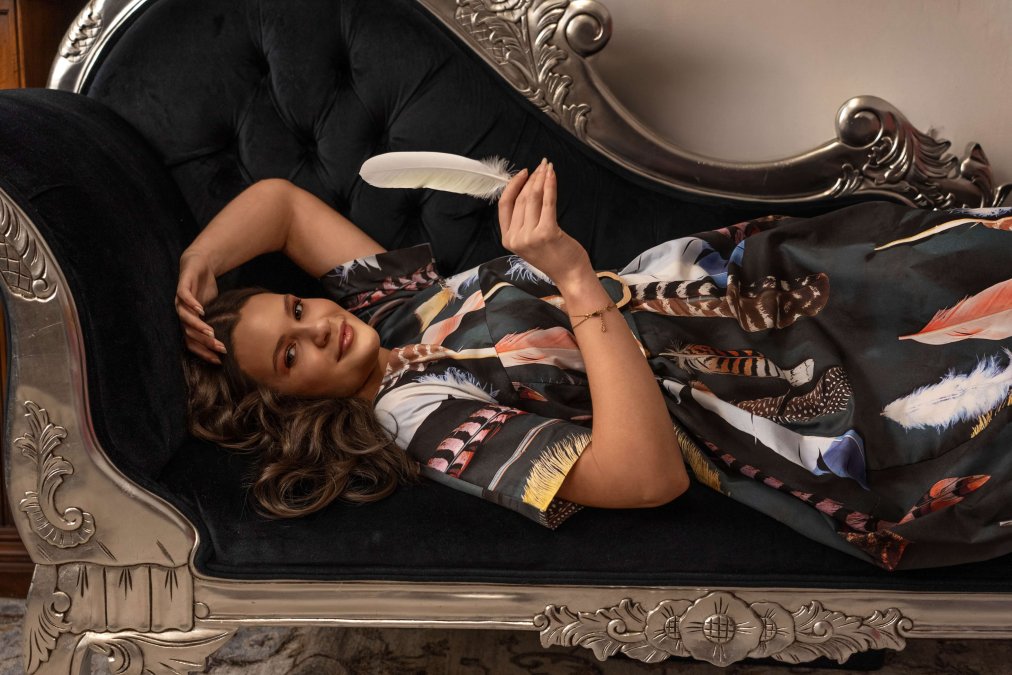
1. The Spotted Quoll Studio, Best for Nature-Inspired Capsule Wardrobes
The Spotted Quoll Studio is our top pick among ethical clothing brands for women who want timeless, versatile pieces that connect to the landscape they live in. Designed and made in Tasmania from one of the last remaining working design studios in Australia, every garment carries clear provenance: you know who made it, what it's made from, and where.
The studio works exclusively with natural fibres: organic cotton, linen, hemp, and blends. The AW2026 Winter Safari Collection features certified organic cotton corduroy and organic linen/hemp blends, fibres chosen for their lower environmental impact and performance over time. Natural fibres breathe, age well, and biodegrade at end of life.
What distinguishes The Spotted Quoll is the print work. Exclusive nature-inspired prints are commissioned from Tasmanian artists, including the sold-out-twice Lost Thylacine print designed by local painter Sarah of Bosa Art Co. These are original artworks that carry a direct connection to place.
The sizing runs from XXS (size 6-8) through to 3XL (size 22-24) across most styles, with garment measurements published in centimetres. The transeasonal design philosophy means pieces layer and adapt across seasons rather than dating quickly.
Key pieces to explore:
- Freedom Top Organic Cotton - in a selection of exclusive prints ($208): Organic cotton gauze, one size fits most with a bust of 176cm. Size inclusive and love by thousands around the world.
- Boss Pant Organic Denim ($288): A 55% hemp, 45% organic cotton blend in the label's best-selling balloon-leg cut. Elastic waist, deep pockets, size-inclusive from XXS to 3XL.
- Lottie Culottes - Organic Denim ($288): Certified organic cotton hemp, the perfect pant for the shorter person as they are a 7/8 length. Size inclusive fitting a XXS to 2XL
- Organic Linen or Cotton Cocoon Dress - ($298): 100% pure organic linen or organic cotton, architecturally cut for a forgiving drape. Our best-selling dress all year with over 1100 units sold in varies prints. Super size inclusive size range from XXS to 3XL.
2. Montaigne Italian Linen
Beautiful made, natural fibres and size inclusive the Montaigne range fits well into a capsule wardrobe. Italian linen is timeless, wear well and size inclusive perfect for the hot Australian weather.
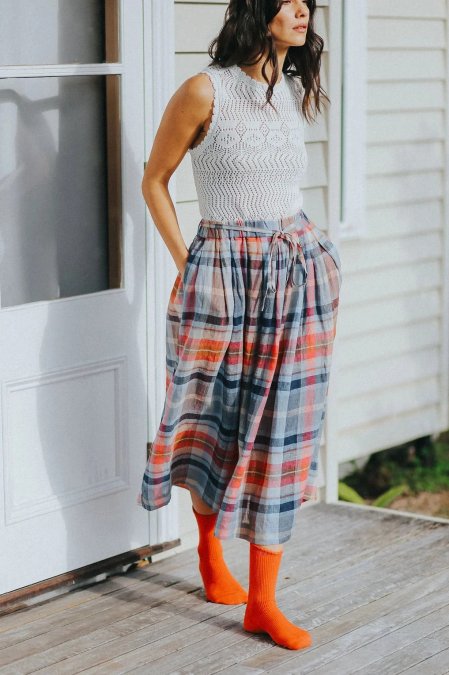
Amelie Check Skirt - Italian Linen
Known for it beautiful quality Italian Linen pieces the Montaigne brand is perfect for a capsule wardrobe and love the world over.
Trans-seasonal this linen can be layered for cooler days or worn in the heat.
Natural Fibre Selection: What to Look For
The biggest mistake most shoppers make when buying "sustainable" clothing is treating all natural fibres as equivalent. Conventionally grown cotton is one of the most chemically intensive crops in the world. Organic certification changes that equation significantly.
According to the Textile Exchange's fibre and materials reports, organic cotton uses considerably less synthetic pesticide and fertiliser than conventional cotton, with measurable reductions in carbon footprint. Hemp is even lower-impact: it grows quickly, requires minimal water, and improves soil health.
Fibre |
What "Certified" Means |
Watch For |
|---|---|---|
Organic Cotton |
GOTS or OCS certification |
"Natural cotton" without certification is likely conventional |
Linen |
Grown without pesticides; OEKO-TEX for processing |
"European linen" is a quality signal, not an ethical one |
Hemp |
Naturally low-input crop; check for chemical processing |
Blends with synthetic fibres reduce biodegradability |
Silk |
Look for Peace Silk or ethical sericulture claims |
Conventional silk production involves significant animal welfare concerns |
Merino Wool |
RWS (Responsible Wool Standard) certification |
"Mulesing-free" should be explicitly stated |
Prioritise GOTS-certified organic cotton and linen/hemp blends for everyday wear. These fibres perform well, age gracefully, and carry verifiable credentials. Avoid anything described as "eco-friendly polyester"; recycled synthetic is still synthetic and sheds microplastics with every wash.
Capsule Wardrobe Essentials From Local Makers
A capsule wardrobe built from ethical clothing brands is fundamentally different from a fast fashion haul. The goal is fewer pieces that work harder: transeasonal, mix-and-match, and designed to last years rather than one trend cycle.
For most women, that means two or three bottoms that work across casual and semi-formal settings, three to four tops in neutral and accent tones that layer with the bottoms, one or two dresses that can be styled up or down, and one layering piece that ties the range together.
Local makers who design with this framework in mind produce pieces with intentional versatility. The Boss Pant, for example, is engineered to work for travel, work, and weekends without looking like a compromise in any of those contexts.
Price-Point Comparison: What You Actually Get
Item |
Price |
Fibre |
Production |
Expected Lifespan |
|---|---|---|---|---|
Organic Linen Cocoon Dress |
$298 |
100% organic linen |
Ethical partners, living wages |
5-10+ years with proper care |
Boss Pant Corduroy (Aubergine) |
$159 |
97% organic cotton, 3% elastane |
Made in Tasmania |
5-10+ years |
Boss Pant Organic Denim |
$199 |
55% hemp, 45% organic cotton |
Made in Tasmania |
5-10+ years |
Nova Jeans (ella & sunday) |
$129 |
Denim |
Ethically managed, India |
3-7 years |
A $50 fast fashion pair of jeans that wears out in 18 months costs more over five years than a $288 pair of hemp/organic cotton pants that last a decade. The environmental cost of the fast fashion option, textile waste, carbon footprint, microplastic shedding, doesn't appear on the price tag at all.

Care and Repair: Making Tasmanian-Made Garments Last
Most sustainable garments fail prematurely because of poor care, not poor construction.
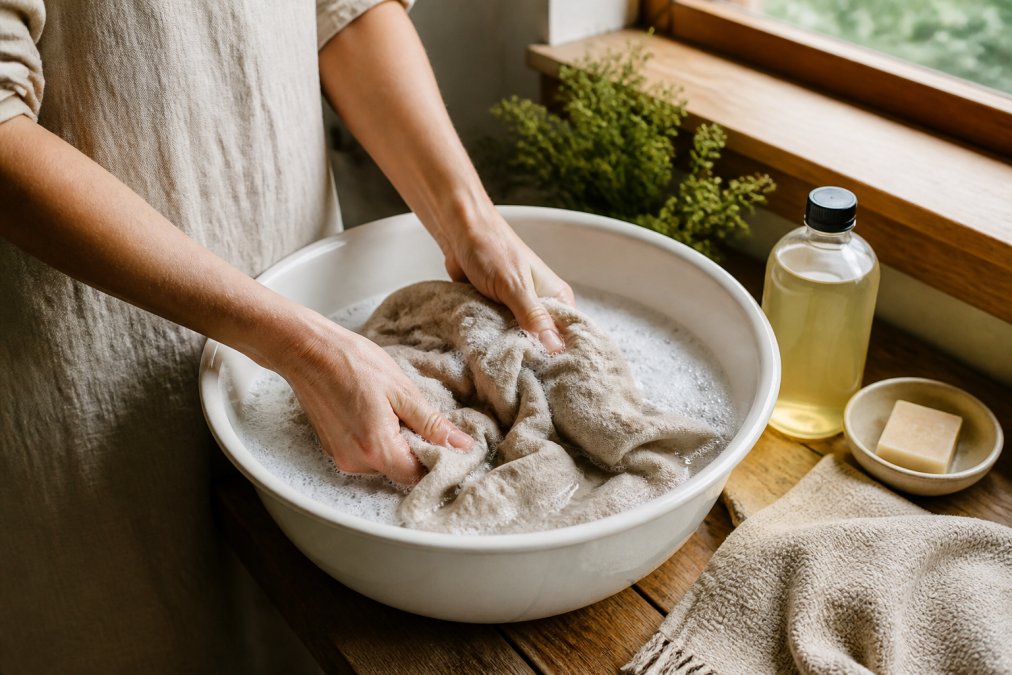
Organic cotton and cotton/hemp blends:
- Machine wash warm or cool on a gentle cycle in a laundry bag
- Use phosphate-free detergent
- Machine dry on low or line dry out of direct sunlight
- Iron on the reverse side if needed
Organic linen and linen/hemp blends:
- Wash cool or warm; linen softens with repeated washing
- Expect slight variations in print on organic linen; the slub texture is natural
- Dry flat or hang; avoid high-heat tumble drying
- Steam on the reverse side rather than direct ironing
Organic cotton corduroy:
- Cold wash separately in the first few washes due to possible dye transfer
- Low spin cycle; dry out of direct sunlight to preserve colour
- Warm steam iron on the reverse side
Repair before replacement. A loose button, fraying hem, or small tear does not mean a garment is finished. Learning basic mending skills, or finding a local alterations specialist, extends the life of quality pieces by years.
For storing off-season pieces, fold rather than hang linen and hemp garments to avoid stretch distortion. Cedar blocks rather than mothballs protect natural fibre blends without chemical residue.
How to Find and Shop These Labels
The most direct route to ethical clothing brands is through the brands themselves. Most small-batch labels sell primarily through their own online stores.
Shop direct online. The Spotted Quoll ships Australia-wide from its Tasmanian studio. Product pages include garment measurements in centimetres, fitting notes, and fabric specifications.
Visit working studios when travelling. Several Tasmanian labels operate from physical studios open to visitors. This is the best way to see fabric quality in person and speak directly with the people behind the label.
Look for ECA accreditation. The Ethical Clothing Australia accreditation directory lists brands independently verified for compliance with Australian workplace standards.
Check wholesale availability. The Spotted Quoll caters to like-minded retailers looking to stock sustainable, ethically made fashion.
Use the Good On You app. The Good On You brand ratings directory rates fashion brands on their environmental impact, labour conditions, and animal welfare.
Building a wardrobe from ethical clothing brands takes more intention than scrolling a fast fashion site, but the result is fundamentally different: garments with a known origin, made from fibres that perform and biodegrade, by people paid fairly for their work. The Spotted Quoll Studio offers exactly this, designed in Tasmania, made with certified organic and natural fibres, in size-inclusive cuts built for a real capsule wardrobe. Browse the current collection and find pieces that will still be in your wardrobe in a decade.
=== FAQ ANSWERS (audit these too, same rules) ===
[1] Q: What defines an ethical clothing brand in Australia? A: An ethical clothing brand in Australia pays fair wages, maintains safe working conditions, and can demonstrate supply chain transparency. Accreditation through Ethical Clothing Australia (ECA) is one of the most reliable signals, as it involves independent auditing of local production. Beyond wages, genuinely ethical brands also address environmental impact: choosing natural fibres, reducing textile waste, and producing in small batches to avoid overproduction. Look for brands that name their production partners openly rather than offering vague sustainability claims.
[2] Q: Are there clothing brands that manufacture exclusively in Tasmania? A: Yes. The Spotted Quoll Studio is one of the last remaining working design studios producing garments in Tasmania. Their entire apparel range, from the Boss Pant to the Freedom Top, is made on-island using organic cotton, linen, and hemp. Some labels design locally but produce interstate or overseas with vetted ethical partners, so it is worth checking each brand's production page directly to confirm where physical garment construction takes place.
[3] Q: How can I verify if a Tasmanian clothing brand is truly sustainable? A: Check whether the brand holds recognised accreditation such as Ethical Clothing Australia (ECA) certification or GOTS (Global Organic Textile Standard) certification for fabric. Beyond credentials, look for specific fibre disclosures (fabric composition percentages, not just 'natural'), named production facilities, and honest discussion of limitations. Brands that publish care guides, offer repair advice, and use small-batch production to limit overstock are generally more transparent than those relying on broad sustainability language without supporting detail.
[4] Q: What natural fibres are commonly used by Tasmanian ethical designers? A: Organic cotton, linen, and hemp are the most common natural fibres used by Tasmanian ethical designers. Linen and hemp are particularly popular because both crops require significantly less water than conventional cotton and no synthetic pesticides. Blends such as 50% linen and 50% hemp combine breathability with durability. Organic cotton certified to GOTS standard avoids harmful chemical treatments. Some designers also source hand-loomed raw cotton and cotton-silk blends for smaller, more artisan-focused collections.
[5] Q: Why choose locally made clothing over mass-produced alternatives? A: Locally made garments have a shorter supply chain, which reduces carbon footprint and makes it far easier to verify ethical manufacturing standards. When a studio produces in small batches locally, garment workers are paid under Australian workplace law, including Fair Work Act protections and minimum wage requirements. Buying locally also supports independent designers and keeps specialist skills, such as pattern-making and small-run sewing, alive in Australian communities. The trade-off is a higher price per piece, offset by longer garment lifespan and the absence of fast fashion's hidden social costs.
Frequently Asked Questions
Q: What defines an ethical clothing brand in Australia?
An ethical clothing brand in Australia pays fair wages, maintains safe working conditions, and can demonstrate supply chain transparency. Accreditation through Ethical Clothing Australia (ECA) is one of the most reliable signals, as it involves independent auditing of local production. Beyond wages, genuinely ethical brands also address environmental impact: choosing natural fibres, reducing textile waste, and producing in small batches to avoid overproduction. Look for brands that name their production partners openly rather than offering vague sustainability claims.
Q: Are there clothing brands that manufacture exclusively in Tasmania?
Yes. The Spotted Quoll Studio is one of the last remaining working design studios producing garments in Tasmania. Their entire apparel range, from the Boss Pant to the Freedom Top, is made on-island using organic cotton, linen, and hemp. Some labels design locally but produce interstate or overseas with vetted ethical partners, so it is worth checking each brand's production page directly to confirm where physical garment construction takes place.
Q: How can I verify if a Tasmanian clothing brand is truly sustainable?
Check whether the brand holds recognised accreditation such as Ethical Clothing Australia (ECA) certification or GOTS (Global Organic Textile Standard) certification for fabric. Beyond credentials, look for specific fibre disclosures (fabric composition percentages, not just 'natural'), named production facilities, and honest discussion of limitations. Brands that publish care guides, offer repair advice, and use small-batch production to limit overstock are generally more transparent than those relying on broad sustainability language without supporting detail.
Q: What natural fibres are commonly used by Tasmanian ethical designers?
Organic cotton, linen, and hemp are the most common natural fibres used by Tasmanian ethical designers. Linen and hemp are particularly popular because both crops require significantly less water than conventional cotton and no synthetic pesticides. Blends such as 50% linen and 50% hemp combine breathability with durability. Organic cotton certified to GOTS standard avoids harmful chemical treatments. Some designers also source hand-loomed raw cotton and cotton-silk blends for smaller, more artisan-focused collections.
Q: Why choose locally made clothing over mass-produced alternatives?
Locally made garments have a shorter supply chain, which reduces carbon footprint and makes it far easier to verify ethical manufacturing standards. When a studio produces in small batches locally, garment workers are paid under Australian workplace law, including Fair Work Act protections and minimum wage requirements. Buying locally also supports independent designers and keeps specialist skills, such as pattern-making and small-run sewing, alive in Australian communities. The trade-off is a higher price per piece, offset by longer garment lifespan and the absence of fast fashion's hidden social costs.
This article was written using GrandRanker