


Table of Contents
- The Real Cost Behind Your Clothes: Labor, Materials, and Planet
- The Cost Per Wear Formula: A Simple Way to Judge Value
- Benefits of Natural Fibres in Clothing: Linen, Cotton, and Wool
- Does Sustainable Clothing Actually Last Longer? Durability and Care
- How to Build a Capsule Wardrobe That Saves You Money
- The Hidden Value: Resale, Repair, and the Psychological Shift
- Making the Switch Without Breaking the Bank
- Frequently Asked Questions
Why the Price Tag on Sustainable Clothing Confuses Everyone
Sustainable clothing is a category of apparel produced with lower environmental impact and fairer labour practices than conventional fast fashion, yet the price tag often triggers genuine sticker shock. When you are used to paying $40 for a pair of trousers, seeing a $159 or $299 price point can feel confusing. At The Spotted Quoll, we hear this concern constantly, and it is a fair one. The confusion usually comes from a lack of transparency in the mainstream fashion industry, where the true cost of production is deliberately hidden.

The price of a garment reflects real decisions about materials, wages, and manufacturing methods. To decide whether sustainable clothing is worth the price, you need to understand what sits behind that number. Below, we break down what you are paying for, how to measure value over time, and how to make the shift without stretching your budget.
The Real Cost Behind Your Clothes: Labor, Materials, and Planet
The biggest difference between a $20 fast fashion top and a sustainably made one comes down to three factors: who made it, what it is made from, and what happens to the planet during production.
Fast fashion relies on mass production and economies of scale to drive costs down, often meaning synthetic fibres derived from fossil fuels, lower wages, and little regard for environmental impact. Sustainable manufacturing inverts this model: it pays living wages, uses organic or natural materials, and invests in eco-friendly production methods. Supply chain transparency is key; ethical brands can trace where every fibre came from and who sewed each seam.
When you buy a garment made with ethical labor and organic materials, you are paying for a system that does not exploit people or the environment, and for the slower, smaller-batch production that avoids overconsumption and textile waste. This is not a markup for its own sake; it is the actual cost of doing things properly.
The Cost Per Wear Formula: A Simple Way to Judge Value
The basic formula, price divided by wears, is a good starting point, but it is too blunt to capture the true financial picture. You need a more nuanced framework that accounts for how clothes actually perform and how you actually use them.
A More Honest Cost-Per-Wear Framework
A simple division ignores two critical factors: the probability of the garment failing before you reach your expected number of wears, and the residual value it holds at the end of its life with you. A more realistic calculation looks like this:
Adjusted Cost Per Wear = (Purchase Price - Resale Value) ÷ (Expected Wears × Probability of Survival)
1. Probability of Survival: A $40 fast-fashion dress might be designed for 10 wears, but the probability it survives 10 washes without pilling, losing its shape, or tearing is low. In contrast, a well-constructed organic cotton or linen garment has a much higher probability of surviving 50, 100, or even 200 wears, provided it is cared for properly.
2. Resale Value: This is the factor almost every cost-per-wear calculator ignores. A high-quality, natural-fibre garment from a known ethical brand does not become worthless when you are done with it; it has tangible resale value on platforms like Depop, eBay, or Facebook Marketplace. A fast-fashion item is nearly worthless the moment you take off the tag.
A Practical Comparison: The Adjusted Formula in Action
Scenario A: The Fast Fashion 'Bargain'
- Item: A trendy synthetic-blend dress from a high-street retailer.
- Price: $50
- Expected Wears: 15 (optimistic)
- Probability of Survival to 15 Wears: 50% (it's a coin flip whether it will pill or fall apart by then)
- Resale Value: $0 (no one wants a pilled, off-trend synthetic dress)
Adjusted Cost Per Wear = ($50 - $0) ÷ (15 × 0.5) = $50 ÷ 7.5 = $6.67 per wear
Scenario B: The Sustainable Investment
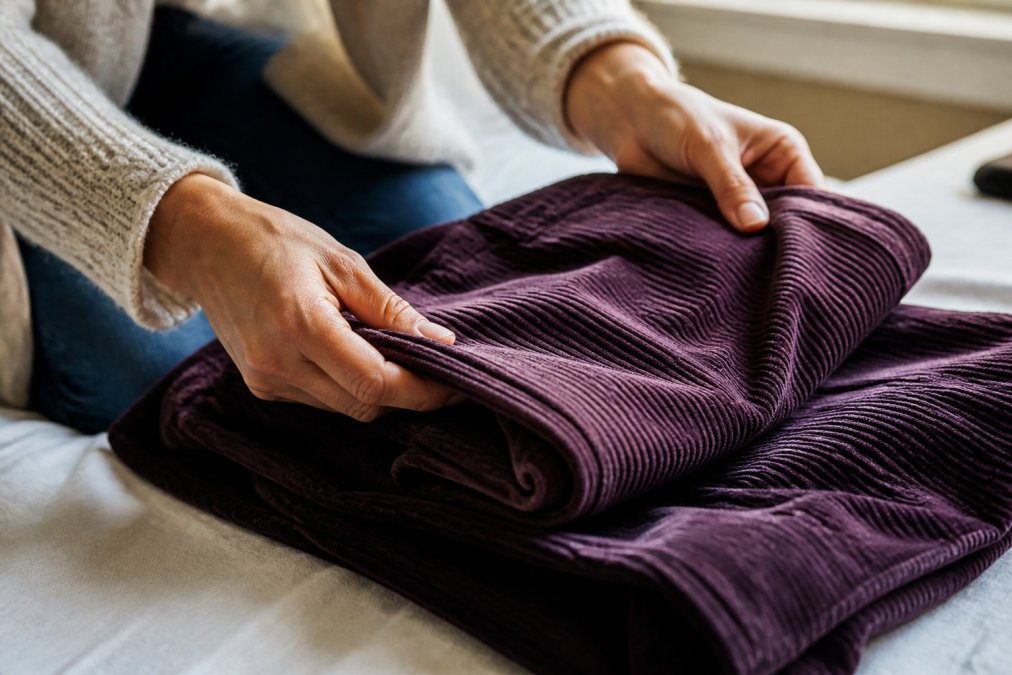
- Item: A pair of organic cotton corduroy pants from a brand like The Spotted Quoll.
- Price: $159
- Expected Wears: 100 (a realistic lifespan for a durable, transeasonal piece)
- Probability of Survival to 100 Wears: 90% (high-quality construction and natural fibres make this highly likely)
- Resale Value: $60 (a well-maintained, desirable piece in a classic style retains significant value)
Adjusted Cost Per Wear = ($159 - $60) ÷ (100 × 0.9) = $99 ÷ 90 = $1.10 per wear

The result is stark. The 'cheap' dress costs over six times more per effective wear than the 'expensive' pants. This is the calculation that matters.
A Simple Tool for Your Own Purchases
Before you buy anything, run it through this quick mental model:
- Estimate the realistic lifespan: Be honest about your habits. A classic style you will wear for years has a longer lifespan than a trend piece.
- Factor in the failure rate: Consider the material. A flimsy synthetic is a high-risk bet; a well-constructed natural fibre is safer.
- Check the resale potential: Search for the brand on resale platforms. If similar items are being sold, your piece will likely hold value too.
:::tip A Quick Rule of Thumb If the adjusted cost per wear is under $2, it is an excellent investment. If it's between $2 and $5, it's a reasonable purchase. If it's over $5, you should seriously question whether you need it, regardless of the ticket price.
Benefits of Natural Fibres in Clothing: Linen, Cotton, and Wool
Natural fibres are the backbone of a sustainable wardrobe because they biodegrade, breathe, and often become softer with age. The benefits of natural fibres in clothing go beyond comfort. Organic linen uses significantly less water than conventional cotton and is highly durable (europa.eu). Organic cotton, especially when certified, avoids the heavy pesticide load of standard cotton farming.
Wool is another standout. It is naturally odour-resistant, meaning it needs fewer washes, which extends its life and reduces water and energy use. These fibres also hold dye and shape better than synthetics, so your garments keep their colour and fit for longer. When you choose natural fibres, you are choosing longevity and reducing your reliance on synthetic fibres that shed microplastics into waterways.
For a capsule wardrobe, natural fibres are the smartest foundation. They pair well together, work across seasons, and are easier to care for than delicate synthetics. This is why many Australian labels, including our own collections at The Spotted Quoll, prioritise organic linen and organic cotton corduroy.
Does Sustainable Clothing Actually Last Longer? Durability and Care
Yes, sustainable clothing generally lasts longer, but only if you care for it properly. The durability comes from higher-quality craftsmanship and better materials, yet even the best organic cotton will fail early if you wash it too hot or tumble dry it aggressively.
A common mistake is treating sustainable garments like fast fashion. They need gentler care: cold washes, line drying, and repairing small issues before they become large ones. Quality craftsmanship means seams are reinforced and fabrics are pre-washed to resist shrinking, but longevity ultimately depends on your habits.
The economics of maintenance are often overlooked. Spending a little time on repair and care extends a garment's life dramatically, lowering its cost per wear even further. Learning to sew a button or patch a small tear is a skill that pays for itself many times over. This is the part of sustainable fashion that no price tag can capture, but it is central to the value equation.
How to Build a Capsule Wardrobe That Saves You Money
A capsule wardrobe is a curated collection of versatile, high-quality pieces that all mix and match, typically around 30 to 40 items (theguardian.com). Building one is the single most effective way to make sustainable clothing affordable, because it forces you to buy fewer, better things.
Start by auditing what you already own. Identify the gaps and the wardrobe staples you actually reach for. Then invest in pieces that work hard: a well-cut pant, a quality jacket, and natural fibre tops in colours that suit you. Look for transeasonal designs that transition from work to weekend and from summer to winter.

To build a capsule wardrobe on a budget, prioritise one or two high-impact purchases per season rather than replacing your whole closet at once. The Spotted Quoll's Boss Pant in organic linen, for instance, is designed as a capsule staple that works for travel, work, or weekends. When you buy deliberately, you stop spending on items that sit unworn, and your overall clothing expenditure often drops even as the price per item rises.
The Hidden Value: Resale, Repair, and the Psychological Shift
The true value of a sustainable garment extends far beyond its first life in your wardrobe. Two economic forces, resale and repair, can dramatically alter the total cost of ownership, and they are almost entirely absent from the fast-fashion equation.
The Resale Market: Your Garment's Second Act
The second-hand market for quality clothing is booming. Platforms like Depop, eBay, and Facebook Marketplace have made it easier than ever to recoup a significant portion of your investment. The key driver is simple: scarcity and quality. A well-made organic linen shirt from a small ethical brand is a desirable item that will not be mass-produced. A fast-fashion polyester blouse from a mega-retailer is one of millions, and its value collapses to near zero the moment it is worn.
What This Means for Your Wallet
Consider a $299 organic linen blazer. After three years of wear, you might sell it for $120-$150 on a resale platform, a recovery rate of 40-50%. Compare that to a $79 fast-fashion blazer. After the same period, it is likely worn, faded, and out of style, you would be lucky to get $10 for it, a recovery rate of around 12%. The sustainable garment's effective cost is not $299; it is closer to $150-$180. The fast-fashion blazer's effective cost is closer to $69. The gap between them narrows significantly.
How to Maximise Resale Value
- Buy Timeless, Not Trendy: Classic cuts, neutral colours, and transeasonal designs have a much larger and more durable resale market than loud, trend-driven pieces.
- Care for the Garment: Follow the care label. A garment that is clean, free of stains, and has no pilling will always command a higher price.
- Keep the Original Tags and Packaging: If you have the original brand tags, it signals to buyers that the item has been well-cared-for and is authentic.
- Take Good Photos: A clear, well-lit photo of the garment on a hanger or a person will get far more attention than a crumpled pile on a bed.
The Economics of Repair: The Ten-Dollar Stitch
The most financially astute sustainable fashion advocates understand that repair is not a chore; it is an investment. A $15 repair at a local tailor can extend a garment's life by years, effectively costing you pennies per additional wear (the EPA).
Consider a $200 pair of organic cotton trousers. After two years, a seam splits. A $20 repair at a tailor fixes it, and you get another two years of wear. That $20 repair saved you from buying a new pair, which would have cost at least $150 for comparable quality. The return on investment for that repair is over 600%.
Basic Repair Skills You Can Learn
- Sewing on a Button: A 5-minute job that saves you from discarding a shirt.
- Darning a Small Hole: Invisible mending is a skill, but even a visible, neat patch can add character and extend life.
- Fixing a Loose Hem: A simple straight stitch can prevent a hem from unravelling completely.
:::warning The Fast Fashion Trap Fast fashion items are often constructed in a way that makes them nearly impossible to repair. Fused seams, synthetic fibres that melt under an iron, and inaccessible stitching mean that when something goes wrong, the only option is the bin. This is a deliberate design choice, it forces you back into the store. Sustainable clothing is designed to be repaired, which is a fundamental difference in philosophy.
Making the Switch Without Breaking the Bank
Making the switch to a sustainable wardrobe does not require replacing everything at once. Start small. Choose one category, such as trousers or outerwear, and invest in the best sustainable version you can afford. Look for sales and end-of-season clearances from ethical brands, a common way to acquire higher-end pieces at a reduced price.
Prioritise quality craftsmanship over quantity. A $159 pair of organic cotton corduroy pants that you wear weekly for three winters is a better investment than three $50 pairs that wear out in a season. Focus on timeless designs and exclusive prints that will not date, rather than chasing trends. When you do buy, check the fabric composition and the brand's transparency about its supply chain to avoid greenwashing.
Remember that the goal is progress, not perfection. Every sustainable purchase you make instead of a fast fashion one reduces your personal environmental impact. Over time, as your wardrobe becomes more considered, you will find you are spending less, wearing more, and feeling better about what you put on your body.
The shift to sustainable clothing is as much a mindset change as a financial one. It asks you to value longevity over novelty and ethics over convenience, which can feel challenging when cheaper alternatives are everywhere. At The Spotted Quoll, we make this easier by designing transeasonal capsule pieces in organic linen and organic cotton, created in small batches with exclusive nature-inspired prints designed in Tasmania. Every garment is made with natural fibres and ethical practices, so you can build a wardrobe that is kind to both you and the earth. Explore our collection of sustainable pants and jackets, and start your cost-per-wear journey today. SHOP NOW
Frequently Asked Questions
Is sustainable clothing really worth the higher price?
Yes, when you apply the cost per wear formula. A $299 pair of organic linen pants worn 100 times costs $2.99 per wear, while a $60 fast fashion pair worn 5 times costs $12 per wear. Sustainable pieces are designed for longevity, using better materials and construction. This makes them more economical over time, while also supporting ethical labor and reducing your environmental impact.
How can you tell if a clothing brand is truly sustainable?
Look beyond marketing claims and check for proof. Genuine brands share details about their supply chain, use certified organic materials, and are transparent about where garments are made. The Spotted Quoll, for example, states its designs are captured and made in Tasmania and uses certified organic cotton. Be wary of vague terms like 'eco' without specifics, as this can be a sign of greenwashing.
What is the 3-3-3 rule for building a sustainable wardrobe?
The 3-3-3 rule is a simple method to curb overconsumption. When you feel the urge to buy something new, wait 3 days to see if you still want it. If you do, find 3 ways to style it with items you already own. Finally, ensure it costs less than 3% of your monthly income. This pause helps you focus on versatile pieces that earn their place in your capsule wardrobe.
Do natural fibres like linen and cotton last longer than synthetics?
Generally, yes. High-quality natural fibres such as organic linen and cotton are durable and often become softer and better with age. They are also breathable and kinder to your skin. Synthetic fibres can pill and break down faster. Choosing certified organic materials also avoids the heavy chemical processing linked to synthetic production, making them a better choice for both longevity and the planet.