Table of Contents
- Why Natural Fibre Dresses Matter
- Top Natural Fibre Dresses for Every Season
- How to Style Linen Clothing for Different Occasions
- Benefits of Organic Cotton Clothing
- How to Care for Natural Fibres to Extend Garment Life
- Breathability and Comfort: What Makes Natural Fabrics Different
- Sustainable and Ethical Fashion: The Real Value
- Conclusion
- Frequently Asked Questions
Last Updated: September 2, 2026
Why Natural Fibre Dresses Matter
Natural fibre dresses are essential for a thoughtful wardrobe. Unlike synthetics, garments made from organic cotton, linen, and hemp offer breathability, durability, and comfort that improves with wear. Natural fibres regulate temperature across seasons, allow skin to breathe, and develop character over time. The Spotted Quoll has perfected designs that showcase these qualities for every body shape and lifestyle.
A quality linen or organic cotton dress can last for years, even decades, when cared for properly. This makes the initial investment worthwhile when calculating cost-per-wear. Natural fibre dresses align with conscious consumerism and sustainable fashion principles that prioritise both your wellbeing and the planet's health.
Top Natural Fibre Dresses for Every Season
Lightweight Linen Options Under $150
For warm months and layering, lightweight linen dresses deliver unmatched breathability and moisture-wicking performance. The Spotted Quoll's Organic Linen Cocoon Dress in Moss Moth ($99) showcases what makes pure organic linen exceptional. Made from 100% organic linen, this dress improves with every wash, softening while maintaining structure. The exclusive Moss Moth print (designed by Tamika Bannister for the Highlands Calling Collection) captures the nostalgic feeling of roaming Tasmanian highlands.

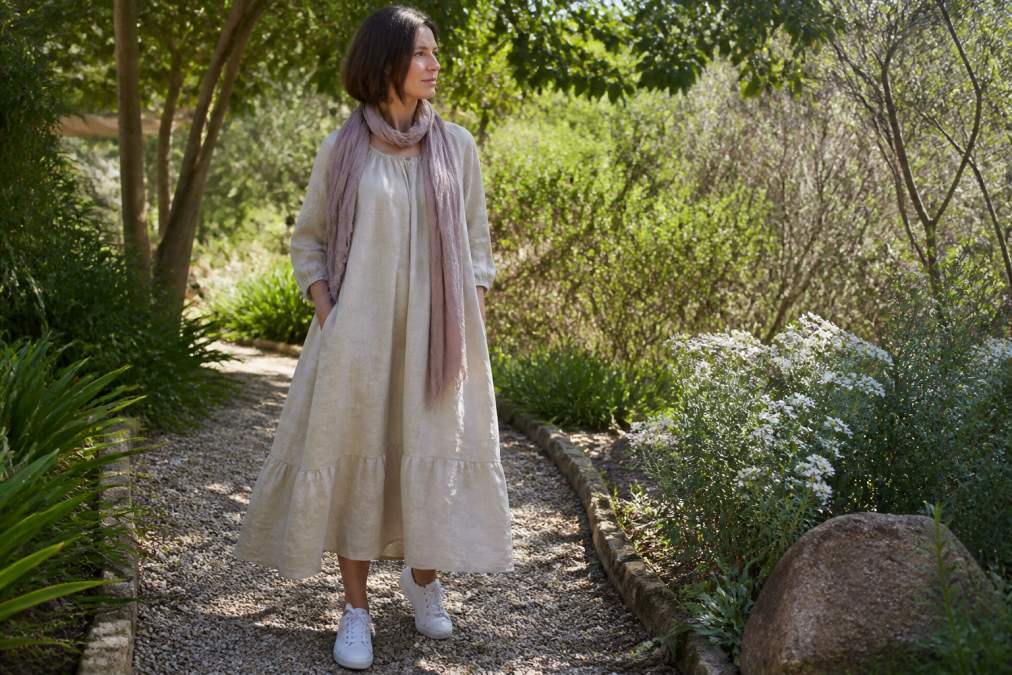
The cocoon silhouette creates flattering drape across all body types, with dual pockets for practicality. Wear it loose with white sneakers for casual weekends, or pair with heels for garden weddings. The mid-weight quality suits cooler months with layering as well, making it genuinely trans-seasonal.
The Organic Linen Cocoon Dress in Cocoa Moth ($99) offers the same architectural benefits in a different exclusive print. Both dresses are size inclusive, ethically produced, and feature sustainable manufacturing practices.

Premium Organic Cotton and Linen Blends
The Spotted Quoll's Cocoon Dress in Organic Dyed Linen (Eucalyptus) ($199) features mid-weight 170gsm organic dyed pure linen. The Eucalyptus colourway reflects native eucalyptus trees throughout the landscape. This dress embodies the "buy well, buy once" philosophy: the higher quality fabric becomes more beautiful with washing and wear.

The Organic Cotton Cocoon Dress in Aerial Bay of Fires ($298) uses 100% organic cotton double muslin with no-iron properties, ideal for travel. The Bay of Fires print references one of the world's most beautiful beaches with its iconic orange lichen.
The Organic Cotton Cocoon Dress in Pincushion ($298) features the Hakea Laurina print from native plants planted to encourage native bees and birds, reflecting the brand's commitment to celebrating local ecosystems.
| Dress Style | Fabric | Price | Best For | Key Feature |
|---|---|---|---|---|
| Cocoon (Linen) | 100% organic linen | $99 | Lightweight, everyday wear | Improves with washing |
| Cocoon (Dyed Linen) | 170gsm organic dyed linen | $199 | Premium feel, year-round | Higher quality hand-feel |
| Cocoon (Organic Cotton) | 100% organic cotton double muslin | $298 | Travel, warm climates | No-iron, ultra-soft |
Versatile Peasant Styles for Year-Round Wear
Peasant dresses offer ultimate versatility for capsule wardrobes. The Spotted Quoll has sold over 900 units of their peasant style, proving its staying power. The Peasant Dress in Organic Dyed Linen (Eucalyptus) ($288) features engineered details: double inseam pockets, tiny elastic sleeve detail, and beautiful trim at the neckline. Made in Tasmania, this dress transitions seamlessly from cool days (add layers and tights) to warm days (roll sleeves, add sandals). Wear it loose or cinch the waist with a belt to create multiple silhouettes.
The Peasant Dress in Organic Dyed Linen (Black) ($288) is the ultimate staple in timeless black. The natural washed linen develops character with wear, becoming softer and more beautiful over time.
For textural interest, the Peasant Dress in Linen Slub (Camel) ($199) uses a Korean linen-cotton blend (55% linen, 45% cotton) in mid-weight 227gsm fabric. The slub texture adds visual depth, and contrast natural topstitching creates an artisanal quality.
For limited-edition prints, the Peasant Dress in Linen/Hemp (Fagus Fall) ($298) captures the endemic Tasmanian Fagus tree turning in autumn. Made from heavier 220gsm organic linen/hemp blend, this dress offers substantial fabric quality. The Peasant Dress in Linen/Hemp (Pincushion) ($298) celebrates native plants planted to support local wildlife.
How to Style Linen Clothing for Different Occasions
Linen's wrinkled texture signals authenticity and natural fibre quality. For casual weekends, pair a linen cocoon dress with white sneakers or flat sandals. Add a lightweight scarf or layering piece for cooler days without losing the relaxed vibe.
For work, cinch the waist with a structured belt to create definition, then layer with a tailored linen jacket or corduroy coat. Closed-toe shoes and minimal jewellery keep the look professional. Natural fibre's breathability means you stay comfortable through long days without the stuffiness of synthetics.
For special occasions, pair an organic cotton cocoon dress with heels or wedges, add statement earrings, and carry a structured handbag. The no-iron quality of certain fabrics means you can travel with confidence, arriving wrinkle-free and ready for events.
Layering extends linen's seasonal range dramatically. In cooler months, wear linen dresses with warm tights, long-sleeved tops underneath, and knit cardigans or corduroy coats. In warm months, roll three-quarter sleeves, add sandals, and let the breathable fabric regulate your body temperature.
The key to styling linen is embracing its natural character. Unlike synthetic fabrics that aim for perfection, linen celebrates its texture and wrinkles, becoming more beautiful with each season.
Benefits of Organic Cotton Clothing
Organic cotton is grown without synthetic pesticides or fertilisers, making the fabric hypoallergenic and gentler on sensitive skin (Australian Certified Organic Standard). The absence of chemical residues means the fabric feels softer initially and maintains that softness through repeated washing.
Breathability is where organic cotton excels. Natural fibres allow air circulation, making cotton dresses ideal for warm climates and moisture-wicking during activity. Unlike polyester or nylon blends, organic cotton doesn't trap heat or moisture; it regulates your body temperature naturally.
Durability increases when you choose organic cotton. The manufacturing process typically involves higher standards for fabric weight and construction quality. A 100% organic cotton dress, when cared for properly, can last for years, developing a luxurious hand-feel that synthetic blends never achieve.
Environmental impact matters for conscious consumers. Organic cotton requires less water than conventional cotton, and the absence of pesticides protects soil health and biodiversity. When you choose organic cotton from brands like The Spotted Quoll that prioritise ethical production, you're supporting farming practices that are genuinely kind to the earth.
The cost-per-wear calculation favours organic cotton. While the initial investment is higher than fast fashion, a quality organic cotton dress worn regularly over several years becomes remarkably affordable per wear, aligning with the slow fashion philosophy.
How to Care for Natural Fibres to Extend Garment Life
Wash linen and cotton in cool water (around 30°C) with a gentle detergent. Always check the care label on textile wearing apparel for specific instructions. Hot water can weaken natural fibres over time. Avoid bleach and optical brighteners, which degrade organic fibres.
Dry naturally whenever possible. Line drying in sunlight preserves the fabric and naturally sanitises it; UV light kills bacteria without chemical intervention. If you use a dryer, select a low-heat setting.
For wrinkles in linen, embrace them or press lightly with a warm iron while the fabric is still slightly damp. Some fabrics, like organic cotton double muslin, feature no-iron properties and don't require pressing.
Store natural fibre dresses on hangers in a breathable space. Avoid plastic storage bags, which trap moisture and can encourage mildew. If you fold dresses for storage, refold them periodically to prevent permanent creases. Tips for caring for designer dresses.
Address stains promptly. Most stains on natural fibres respond well to cold water and gentle rubbing. Avoid heat until the stain is completely removed, as heat can set stains permanently.
Repair minor damage immediately. Hand-stitching repairs on natural fibres is straightforward and extends garment life significantly, aligning with the slow fashion principle of investing in quality pieces and maintaining them carefully.
Breathability and Comfort: What Makes Natural Fabrics Different
Natural fabrics like linen, cotton, and hemp are hygroscopic; they absorb and release moisture based on humidity and body temperature. This creates a microclimate that keeps you comfortable across temperature ranges. Synthetic fabrics trap heat and moisture against your skin, creating that clammy feeling.
Linen is exceptionally breathable, with moisture-wicking capacity 30% higher than cotton (Research on textile properties). This is why linen dresses feel cool even in humid conditions. The more you wash linen, the more breathable it becomes.
Organic cotton offers similar benefits without the wrinkled aesthetic. Cotton's hollow fibre structure allows air to pass through, regulating body temperature naturally. Hemp, often blended with linen or cotton, adds durability while maintaining breathability.
Comfort extends beyond temperature regulation. Natural fibres feel softer against skin, especially after washing. Organic cotton and linen develop a luxurious hand-feel that synthetic fabrics never achieve.
The hypoallergenic nature of natural fibres makes them ideal for sensitive skin. Without synthetic dyes, finishes, or chemical treatments, natural fabrics reduce the risk of irritation. People with eczema, dermatitis, or general skin sensitivity often find that natural fibre dresses eliminate discomfort entirely.
Sustainable and Ethical Fashion: The Real Value
Sustainable fashion means garments designed to last years, not seasons. The Spotted Quoll's philosophy, "buy well, buy once", reflects this principle. One dress worn for five years has far less environmental impact than five cheaper dresses worn for one year each.
Ethical production ensures fair wages and safe working conditions for everyone involved in manufacturing. The Spotted Quoll is committed to ethical practices that are kind to both you and the earth. This transparency matters: you know exactly where your dress was made and that workers were treated fairly.
The environmental impact of natural fibres is substantially lower than synthetics. Organic cotton requires no synthetic pesticides, protecting soil and water systems. Linen is grown in cool climates with minimal water input. Hemp requires no pesticides, regenerates soil, and grows rapidly. When you choose natural fibre dresses, you're supporting agricultural practices that strengthen rather than deplete ecosystems.
Biodegradability is a practical benefit often overlooked. Natural fibres decompose naturally at end-of-life, returning to soil without leaving microplastics or chemical residues. Synthetic fabrics persist in landfills for centuries.
Local production reduces carbon footprint. The Spotted Quoll manufactures dresses in Tasmania, minimising shipping distances and supporting local makers. You can trace your dress's origin and know exactly how it was made.
Cost-per-wear analysis reveals the true value of sustainable fashion. A $288 natural fibre dress worn 100 times over five years costs $2.88 per wear. A $50 synthetic dress worn 10 times before disposal costs $5 per wear. Natural fibre dresses represent exceptional value.
Conclusion
Natural fibre dresses have moved from niche to essential for anyone building a thoughtful wardrobe. Organic cotton, linen, and hemp blends offer breathability, durability, and genuine comfort that improve with wear. The Spotted Quoll's collection, from lightweight linen cocoon dresses at $99 to premium peasant styles in organic dyed linen, provides options for every season, body type, and occasion.
The real value lies in longevity. A quality natural fibre dress worn regularly for years costs less per wear than fast fashion alternatives while supporting ethical production, sustainable agriculture, and local makers. When you choose The Spotted Quoll, you're investing in pieces designed and made in Tasmania using 100% natural fibres, ethical production practices, and exclusive nature-inspired prints that become more beautiful with time.
Frequently Asked Questions
Q: What are the best natural fibre dresses for the Australian climate?
A: Organic linen and cotton are ideal for warmer months due to their breathability and moisture-wicking properties. Linen dresses like the Cocoon and Peasant styles from The Spotted Quoll offer exceptional thermal regulation, keeping you cool in heat whilst remaining versatile enough to layer during cooler seasons. Hemp-linen blends provide durability and structure for trans-seasonal wear.
Q: How do I care for natural fibres to make them last longer?
A: Wash natural fibre garments in cool water with gentle detergent, then air dry to preserve fabric integrity. Linen and organic cotton actually improve with age and washing. Avoid high heat and harsh chemicals. Store in a cool, dry place away from direct sunlight. Many natural fibre dresses require minimal ironing, and slight creasing is part of their authentic character and charm.
Q: Why are natural fibre dresses more expensive than synthetic alternatives?
A: Natural fibre dresses cost more because ethical production, organic certification, and quality materials demand higher investment. Garments made from organic linen and cotton support fair wages for workers and sustainable farming practices. The cost-per-wear improves significantly over time because these pieces last for years, making them a genuine investment in a capsule wardrobe rather than fast fashion.
Q: Are natural fibre dresses suitable for all body types?
A: Yes. The Spotted Quoll designs natural fibre dresses in sizes from XXS to 3XL with architecturally engineered cuts like the Cocoon dress that flatter diverse body shapes. The loose, forgiving silhouettes and extended shoulder lines create flattering lines without clinging. Dual pockets add functionality, and optional belts allow you to cinch or wear loose depending on preference and occasion.
Build your capsule wardrobe with natural fibre dresses from The Spotted Quoll. Shop now and discover why conscious consumers choose quality pieces that last a lifetime rather than seasons.